Why History Suggests Doing Nothing Is the Best Investment Strategy After Midterms
Following midterm elections, political shifts often spark market volatility and investor anxiety over AI scrutiny and data center growth. However, historical data reveals that maintaining a steady portfolio approach rather than reacting to political news yields consistent positive returns.
 💼Investing
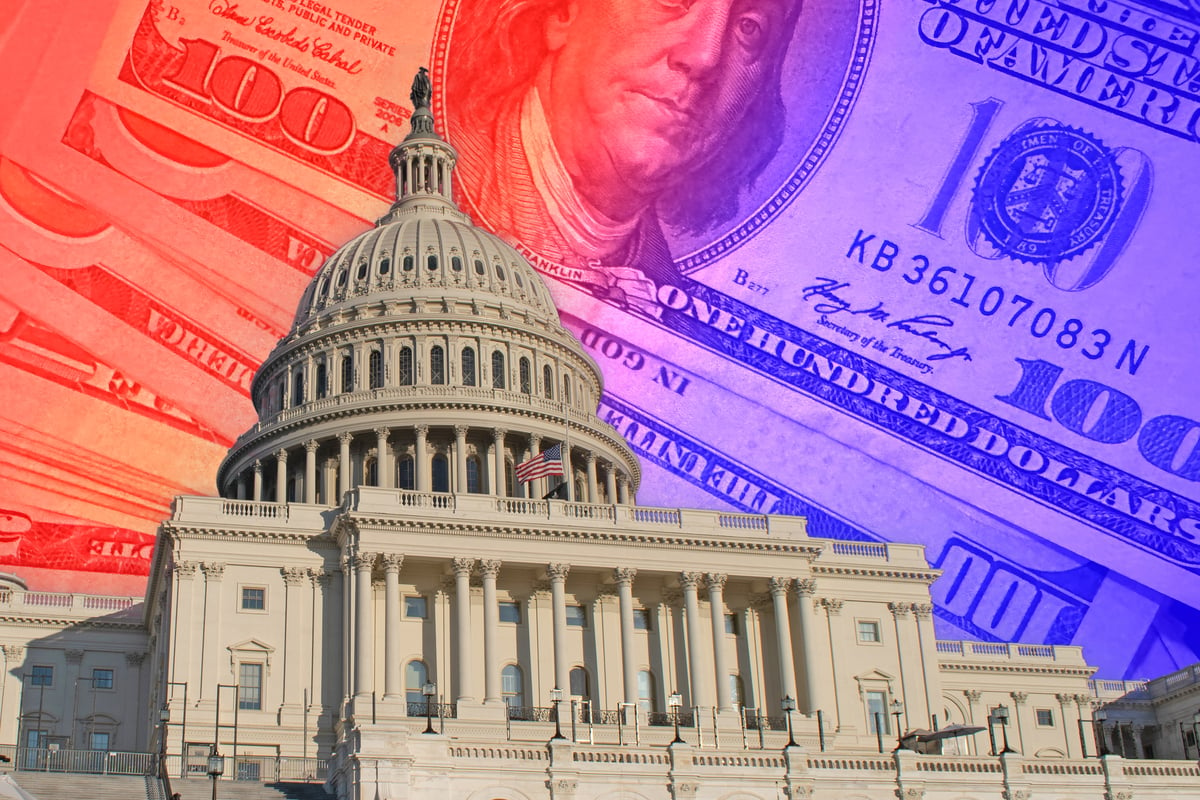
Photo: Motley Fool
Key points
- S&P 500 has posted positive 12-month returns 100% of the time following midterm elections since 1980.
- The historical average gain in the year following midterms stands at 13.7%.
- Experts advise ignoring political headlines and focusing on high-quality businesses or low-cost index funds.
The conclusion of midterm elections brings familiar questions regarding how a shifting political landscape might influence major market sectors, particularly the artificial intelligence boom and heavy data center investments. With control of Congress changing hands, media coverage frequently creates a false sense of urgency for everyday investors to reallocate their holdings based on anticipated policy shifts.
The Power of Inaction After Elections
Financial history demonstrates that making no portfolio adjustments whatsoever following a midterm election is statistically the most reliable path forward. According to historical records dating back to 1980, the S&P 500 index has delivered a positive total return over the 12-month period immediately following every single midterm election, achieving a flawless 100% success rate with an average gain of 13.7% regardless of which party controls Congress.
Focusing on Fundamentals and Broad Exposure
Despite persistent concerns surrounding high valuations, geopolitical tensions, sticky inflation, and potential tech bubbles, market uncertainty remains a constant rather than an exception. Long-term success relies on identifying fundamentally sound businesses featuring wide economic moats, durable growth, solid balance sheets, and consistent profitability, or alternatively, utilizing low-cost index funds such as the Vanguard S&P 500 ETF to capture broad market exposure without active management.
Source Motley Fool — fool.com/investing/2026/11/12/history-says-investing-strategy-midte… ↗
Read next
 🧠AI Analysis
Nvidia Shares Plunge Following CEO Departure, Hitting Multi-Year Lows
Nvidia shares tumbled to $148.80 on November 12 after CEO Jensen Huang resigned amid board investigations, pulling the stock's forward price-to-earnings ratio down to its…
 🏢Companies
POSaBIT Systems Corporation Holds Third Quarter 2026 Earnings Call
POSaBIT Systems Corporation, led by CEO Ryan Hamlin, conducted its third-quarter 2026 earnings conference call on November 12, 2026.
🏢CompaniesTalphera Reports Third Quarter 2026 Financial Results
Talphera, Inc. held its third quarter 2026 earnings conference call on November 12, 2026, to discuss financial performance and corporate updates.
 🧠AI Analysis
Analyst Reconsiders Virtus Stone Harbor Emerging Markets Fund Following Leverage Shifts
An analyst revisits a previous bearish stance on the Virtus Stone Harbor Emerging Markets fund, noting changes in fund leverage that prompted a potential upgrade consider…
🧠AI AnalysisVirgin Galactic Holds Third Quarter 2026 Earnings Call
Virgin Galactic executives reviewed the company's financial and operational updates for the third quarter of 2026 during an investor conference call.
🧠AI AnalysisNeuroPace Details Q3 2026 Financial Results and Strategic Outlook
NeuroPace executives outlined the company's third-quarter 2026 financial performance and future commercial strategies during an earnings conference call.