OpenAI Dissolves Dedicated Robotics Division to Focus on General-Purpose Models
OpenAI has integrated its robotics researchers into broader teams, signaling a strategic shift toward using general-purpose AI models to power physical hardware rather than developing specialized robotics software.
 🏢Companies
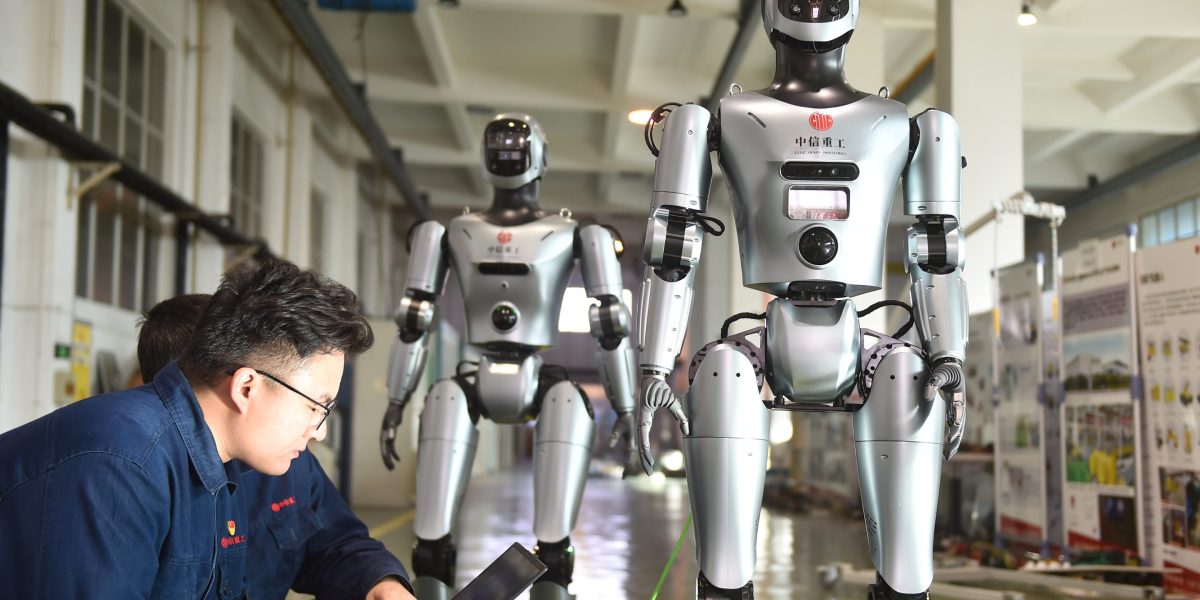
Photo: Fortune
Key points
- OpenAI has reassigned its robotics team to its main research and applied divisions.
- General-purpose models like GPT-6 Astra are now being utilized for physical robot control.
- The move is part of a broader effort to cut costs and focus on core products ahead of a potential 2027 IPO.
OpenAI has officially disbanded its standalone robotics unit, reassigning staff to its core research and applied divisions. The move, which follows a similar dissolution of a robotics team in 2020, suggests that the company is pivoting away from siloed robotics development in favor of a unified approach to artificial intelligence. While the company maintains that robotics remains central to its long-term vision, it has shifted its strategy to rely on its frontier models, such as GPT-6 Astra, to control physical devices.
The reorganization reflects a broader industry trend where general-purpose models—originally designed for language, code, and vision—are being tested for 'embodied AI' applications. According to the company, recent experiments demonstrated that these overarching models already possess an implicit understanding of physical dynamics, potentially eliminating the need for specialized robotics-only research teams. This shift aligns with CEO Sam Altman’s directive to eliminate 'side quests' and consolidate resources toward core, potentially profitable AI products.
Financial pressure appears to be a significant driver behind the move, as the company reportedly faces substantial operating losses while preparing for a potential IPO in early 2027. Despite the internal restructuring, OpenAI continues to pursue its goal of developing a humanoid robot, with a public demonstration currently targeted for 2027. The company's commitment to this timeline remains, even as it moves away from the dedicated robotics team model.
What to watch next: Whether the integration of robotics into general research teams accelerates or delays OpenAI’s 2027 humanoid robot demonstration.
Source Fortune — fortune.com/2026/11/13/openai-disbands-robotics-team-as-its-general-mod… ↗
Read next
 💼Investing
Anthropic Filing Highlights Natural Gas as AI's Power Bottleneck, Pointing to Infrastructure Plays Like Energy Transfer
An S-1 filing from Anthropic reveals that securing natural gas power is a major hurdle for artificial intelligence growth, turning the spotlight toward energy infrastruct…
 📈Markets
U.S. Government's Average Borrowing Rate Continues to Lag New Note Yields
The U.S. government's average borrowing rate remains more than a full percentage point below current yields on newly issued notes as fiscal 2026 concluded with a $2.0 tri…
 📈Markets
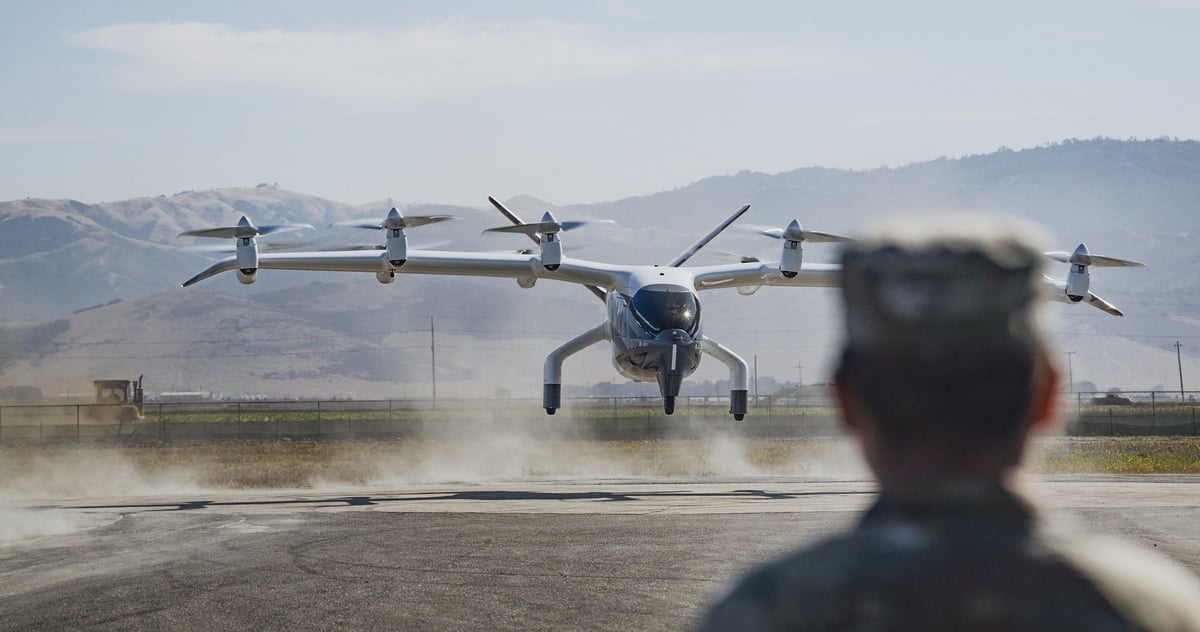
Analyst Predicts Archer Aviation Could Double by 2028 Olympics Amid eVTOL Push
Archer Aviation aims to launch commercial air taxi services before the 2028 Summer Olympics in Los Angeles, potentially doubling a $5,000 investment if regulatory and pro…
 🌍World Business
Eurotunnel Reaches Border Control Agreement with EU to Streamline Travel
Getlink secured an agreement with the European Commission to implement airport-style border checks at Folkestone and Calais, aiming to prevent travel disruptions.
 🧠AI Analysis
The Maturing Phase of Artificial Intelligence: Transitioning from Pure Enthusiasm to Market Moderation
Artificial intelligence development is shifting from rapid initial enthusiasm to a more cautious, maturing phase as investors and industry participants evaluate the true …
 🧠AI Analysis
Credo Technology Shares Fall Sharply Following September Earnings Report
Credo stock has declined 32% since its September 1 earnings release, trading significantly lower than its June record high.