FDA Adds Warning Label for Rare Eye Stroke to GLP-1 Drugs Used by 30 Million Americans
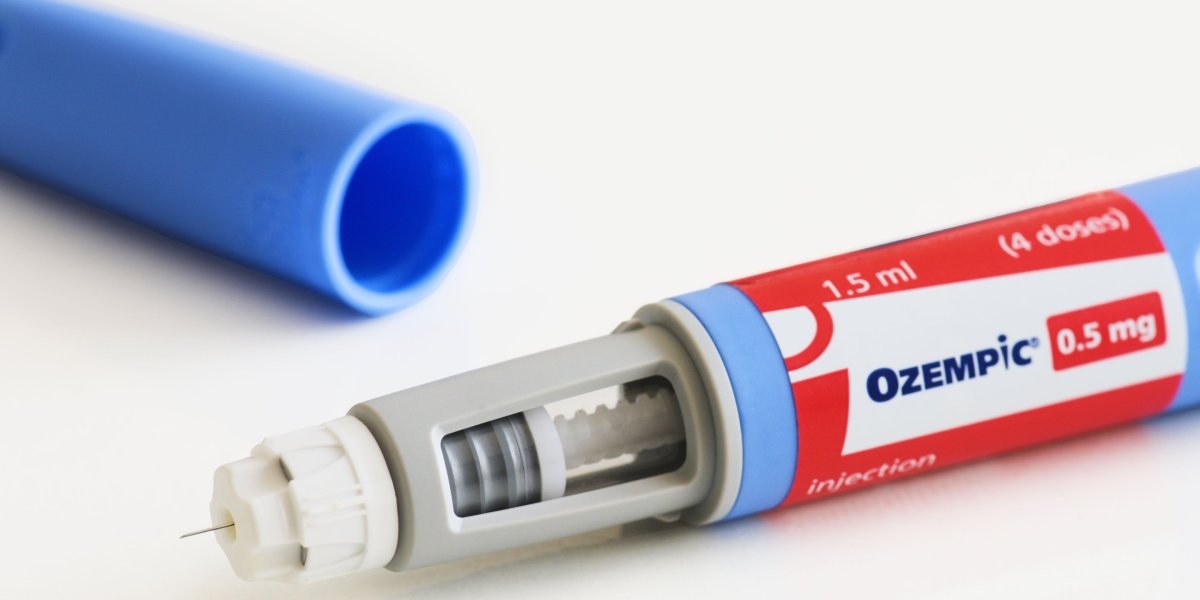
Popular GLP-1 medications taken by 30 million Americans now carry an FDA warning regarding a rare eye condition known as an eye stroke. The regulatory decision follows data indicating a small but elevated risk of vision loss for patients.
 🧠AI Analysis
Photo: Fortune
Key points
- FDA added a warning label for NAION, or eye stroke, to GLP-1 drugs on Nov. 9, 2026.
- Approximately 30 million Americans take these medications for diabetes, obesity, and cardiovascular health.
- Clinical trials and real-world data indicate a small increase of 2.6 to 6 extra cases per 100,000 patients annually.
Popular GLP-1 medications, utilized by 30 million Americans for diabetes, obesity, and lowering cardiovascular risks, now feature a mandatory warning label regarding a rare optic condition. Announced on November 9, 2026, by the U.S. Food and Drug Administration, the alert highlights a potential link to non-arteritic anterior ischemic optic neuropathy, commonly referred to as an eye stroke.
The regulatory action stems from comprehensive federal reviews. An analysis of 126 randomized clinical trials involving over 134,000 patients revealed an average yearly incidence rate of 6.4 cases per 100,000 individuals on GLP-1 treatments, compared to 3.8 cases per 100,000 for those receiving placebos or alternative therapies. Furthermore, a separate review of real-world safety data between 2019 and 2024 showed that type 2 diabetes patients on GLP-1 drugs experienced 32 cases per 100,000 annually, versus 26 cases per 100,000 for those taking DPP-4 inhibitors.
This optical condition involves a sudden drop in blood flow to the optic nerve, which connects the eye to the brain, frequently leading to permanent blurry vision, dark patches, or blindness. Symptoms often present immediately upon waking up, as natural blood pressure drops during sleep. Despite these findings, medical experts note that the overall risk remains low and should not discourage patients from taking the medications for approved conditions under a doctor's guidance.
What to watch next: Monitor upcoming prescription trends and potential legal or insurance impacts on pharmaceutical manufacturers as patients digest the new safety label.
Source Fortune — fortune.com/2026/11/13/glp-1-drugs-fda-warning-eye-stroke-naion-vision-… ↗
Read next
 🧠AI Analysis
Embraer Maintains Buy Rating Following Third-Quarter Performance
An independent analyst has reaffirmed a buy rating on Embraer shares following the release of the company's third-quarter financial results.
 🧠AI Analysis
Anthropic Targets $1.4 Trillion Valuation in Upcoming Nasdaq Debut
AI developer Anthropic is set to list on the Nasdaq with a price range of $70 to $78 per share, potentially valuing the company at $1.4 trillion.
 🧠AI Analysis
Lowe's Positioned for Growth Amid Expanding Home Remodeling Budgets
An analysis of Lowe's Companies suggests the home improvement retailer is well-positioned to capitalize on increasing consumer spending in the remodeling sector.
 💼Investing
Examining OMS Energy Technologies: Balance Sheet Strength and Growth Prospects
OMS Energy Technologies presents an intriguing profile for everyday investors with a robust cash position exceeding $150 million and zero debt.
 🧠AI Analysis
NextEra Energy Emerges as Value Opportunity Amid Utility Sector Pullback
Utilities have become closely intertwined with artificial intelligence infrastructure trends, creating potential value plays for everyday investors following recent marke…
 🧠AI Analysis
Carlsmed and the Upcoming Reimbursement Reset
An upcoming shift in reimbursement policy for Carlsmed's aprevo device could alter financial forecasts as the market looks beyond pure surgeon adoption.